AI Winners in 2026 in Restaurant & Hospitality
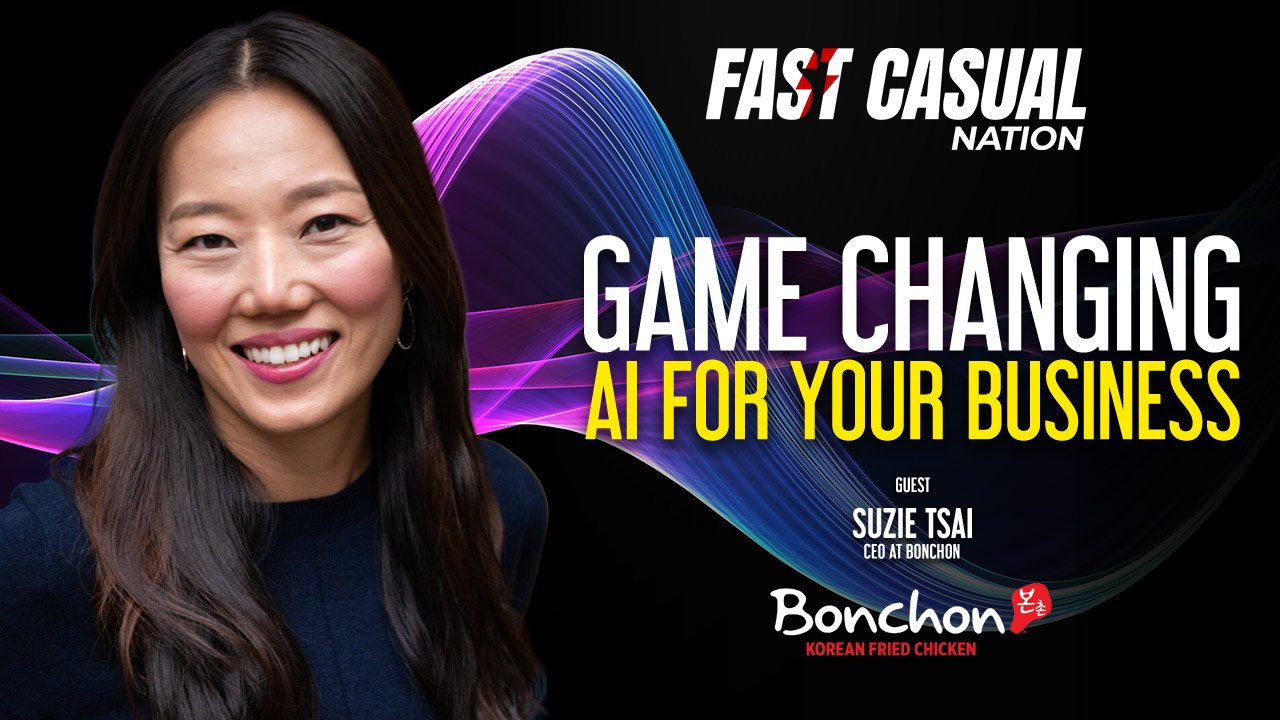
Artificial intelligence is having a moment in restaurant back offices, but according to Bonchon CEO Suzie Tsai, the technology only works when a brand is honest about where it’s falling short first. Speaking on Fast Casual Nation with hosts Paul Barron and Cherryh Cansler, Tsai revisited a comment that made waves earlier this year: her own admission that Bonchon’s tech stack “sucks.” Rather than walking it back, she doubled down. AI, she said, isn’t a strategy in itself, it’s a tool, and pouring it into fragmented data or inconsistent processes just makes the chaos move faster. For an operator running a fast-growing, Dallas-based Korean fried chicken brand, that kind of candor has become the starting point for a more deliberate technology rebuild.
That rebuild is happening in phases rather than through a single sweeping platform. Tsai said Bonchon has steered clear of all-in-one AI solutions, opting instead for tools that solve specific, narrow problems while the organization gets its underlying data and processes in order. One area already paying off is supply chain, where a two-person team leans on a forecasting platform to track inventory across a sprawling and uneven network of distribution centers. What used to be a manual slog of pulling reports into spreadsheets is now a daily dashboard that flags shortages before they happen, a shift Tsai said has measurably reduced product outages. A similar logic applies to real estate, where an AI-enhanced site-selection tool helps narrow down locations before the team ever visits in person.
On the marketing side, Tsai said Bonchon has resisted the trend toward AI-generated imagery, preferring to show its food as it actually looks rather than polish it into something unrecognizable. Instead, the brand’s AI use has centered on media planning, helping a small marketing team localize spend across very different markets rather than relying on one-size-fits-all campaigns. Bonchon reported an 18% year-over-year jump in digital sales, momentum Tsai credited in part to more precise ad targeting as media costs continue to climb industry-wide.

Data privacy came up as a genuine concern rather than an afterthought. Tsai said the leadership team took a course on AI fundamentals before adopting any tools, and the company now runs on an enterprise version of Microsoft Copilot specifically because it keeps company data contained rather than feeding it into a public model. That caution extends to guest-facing technology, too. Bonchon has leaned into kiosk ordering, which Tsai said now drives higher average checks and gives guests an easier way to navigate Korean menu items with unfamiliar spellings and pronunciations, all without replacing the cashiers and servers whose jobs have simply shifted toward hospitality.
Looking ahead, Tsai pointed to customer connection as the next frontier, particularly given how much of Bonchon’s volume now moves through third-party delivery. She described early-stage work with a newly invested company exploring how AI might restore some of the direct guest relationship that gets lost when an order is handed off to a third-party app, using that first transaction as a bridge to build loyalty without repeat reliance on delivery marketplaces. Whatever tools Bonchon adopts next, Tsai was clear that the bar remains the same: technology exists to serve the guest experience, not the other way around, and no one has ever walked out of a restaurant raving about the AI.
The conversation closed with news relevant to the broader industry. Fast Casual Nation announced its 2026 Restaurant AI Awards, with nominations open now through mid-September across categories including AI drive-thru and voice ordering, kitchen automation, demand forecasting, personalization and loyalty AI, and marketing and content AI. Finalists will be announced October 1, with winners revealed later this year. Operators and vendors can submit nominations at savor.fm.