The fast casual restaurant sector continues its remarkable trajectory, with projections showing growth from $84 billion to a staggering $148 billion by the end of the decade. At the heart of this expansion are emerging brands that combine operational excellence with innovative approaches to hospitality and digital engagement. In a recent episode of Fast Casual Nation, hosts Paul Barron and Cherryh Cansler sat down with three founders whose brands made FastCasual.com's prestigious annual list of 25 emerging brands to watch, offering insights into what separates today's rising concepts from yesterday's hopefuls.
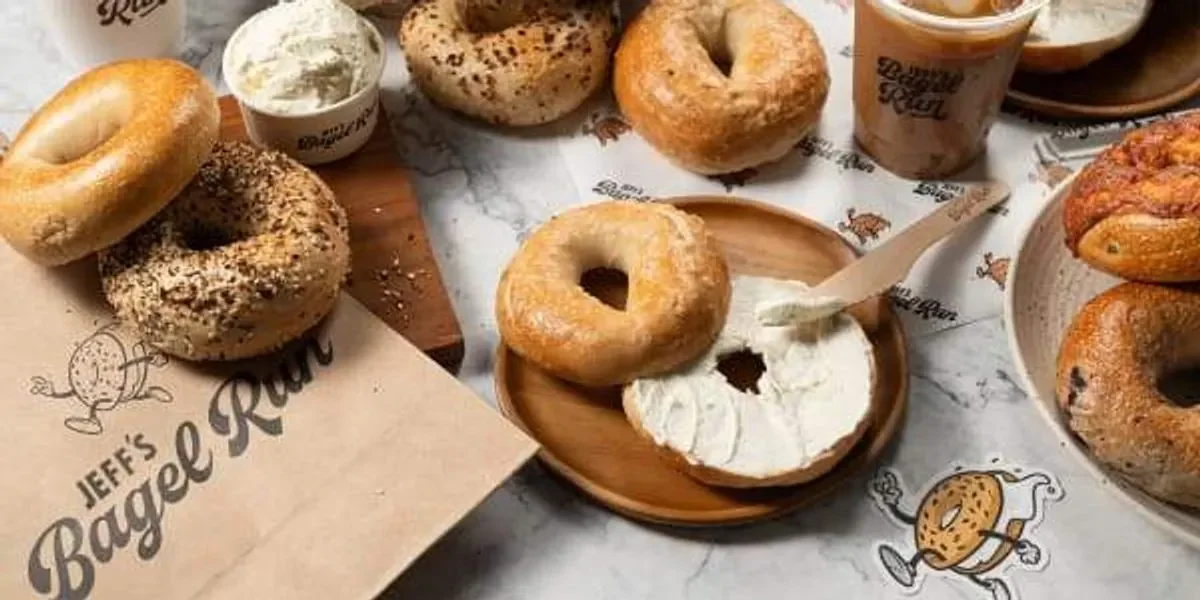
Jeff Pereira, co-founder of Jeff's Bagel Run, represents a unique success story in the competitive breakfast category. What began as an unemployed husband trying to satisfy his wife's bagel craving in 2019 has evolved into a 26-unit operation with ambitious expansion plans. Pereira's approach centers on three core elements: exceptional product quality, genuine hospitality, and strategic vertical integration. The brand's acquisition of Otis Coffee, their neighbor-turned-supplier, exemplifies this strategy. "The coffee supply chain from farm to cup is massively difficult to navigate," Pereira explained, noting that bringing their roaster in-house allowed them to control quality while scaling efficiently. Perhaps more telling is Jeff's Bagel Run's decision to build their own proprietary loyalty app rather than use existing platforms, reflecting a founder's attention to customer experience that goes beyond the standard playbook.
Brian Simowitz, president of Houston TX Hot Chicken, brings a different energy to the crowded hot chicken category. With 29 locations open and aspirations for 300-plus units within five years, the brand leverages its founder Edmund Barce's racing pedigree to create what Simowitz calls "bold flavors, high energy, and relentless execution." The concept's signature spice levels range from mild to "Houston We Have a Problem," a 2-million Scoville unit offering that requires customers to sign a waiver and pay an additional $2 fee. While such theatrical elements drive social media engagement, Simowitz emphasized that consistency in execution builds the loyalty: "It's the heat that gets the attention, but the consistency and hospitality and execution that build the loyalty." The brand plans to launch a three-tier loyalty program in March, partnering with Thanx to deepen customer relationships as they expand both domestically and internationally.
Matt Morrison, co-founder and CEO of Agapé Mediterranean, is betting on what some industry observers are calling "the new Mexican" category. Opening their first location in January 2021 amid pandemic uncertainty, Agapé has grown to six locations in the Columbus, Ohio market with plans to exceed 100 units within five years. Morrison, whose background includes franchising experience across multiple concepts, recently launched a franchise program in Q4 that has generated strong initial interest. "People are more familiar with Mediterranean ingredients and definitely encouraging trial lately," Morrison noted, crediting brands like Cava with validating the category at scale. Unlike some competitors focusing on salads, Agapé's bowl offering dominates sales, reflecting consumer preferences for customizable, substantial meals. Morrison's emphasis on "fair product at fair price" has translated into consistent same-store sales growth even during challenging economic periods.
The conversation revealed a striking evolution in how emerging brands approach growth compared to previous generations. All three founders emphasized digital sophistication and social media presence as foundational elements rather than afterthoughts. When asked whether they'd prefer one million followers or a perfect Yelp score, all three chose the follower count, with Pereira clarifying, "I actually want a million views because that means you're engaging in my content." This reflects a broader shift toward brands that understand community building and authentic engagement as prerequisites for scale. Their websites, marketing materials, and social presence demonstrate production values and strategic thinking that would have been rare in emerging concepts a decade ago.
Looking ahead to 2026's challenges, the founders identified three critical concerns: customer acquisition in an increasingly crowded market, maintaining relevance amid shifting consumer preferences, and managing price points without sacrificing quality or margins. Pereira emphasized the importance of "staying relevant" and ensuring "every activation connects back to who we are." Morrison pointed to price sensitivity as both challenge and opportunity, noting that Agapé's disciplined approach to affordability has become a competitive advantage. As the fast casual sector continues its march toward the top 100 rankings announced each May in Chicago, these emerging brands represent not just individual success stories but a blueprint for the next generation of restaurant concepts: operator-led, digitally native, community-focused, and relentlessly committed to delivering exceptional experiences at every touchpoint.